Selecting a Botanical Mineral Sunscreen That Suits Your Daily Routine
A sunscreen might seem ideal when you first see it while proving less comfortable after several hours. Perhaps it becomes uncomfortable over moisturiser, leaves a finish you dislike or makes reapplication inconvenient. Such practical considerations are important because effective everyday sun protection relies in part on regular product use and according to the recommended application amount.
Selecting a botanical mineral sunscreen SPF 50 therefore involves more than comparing the largest numbers on the packaging. Texture, moisture, skin sensitivity and whether the product complements your usual skincare steps should each influence your assessment. One practical way to begin is by identifying what usually makes you reluctant to wear sunscreen, then look for a formulation that responds to your main concern.
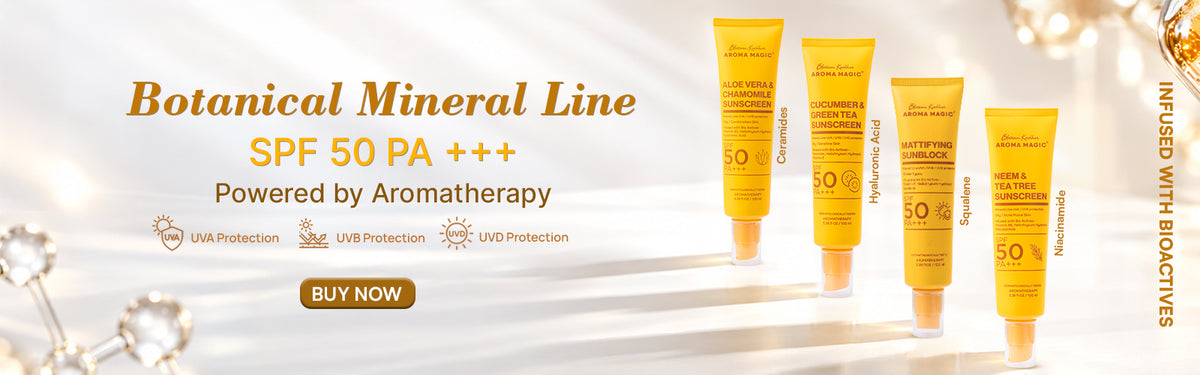
The Aroma Magic sunscreen SPF 50 PA+++ range include a variety of formulations with distinct textures and supporting ingredients. Understanding their differences can make your selection more considered without expecting one product to suit every person or every situation.
Begin by Understanding the Discomfort in Your Daily Routine
Prior to selecting a new sunscreen, consider what you noticed when using other sunscreen products. Did your face feel greasy immediately after application, or did your face become shiny as time passed? Was a cream pleasant on your cheeks yet too rich on your forehead? Was the problem the sunscreen itself, or several rich products layered underneath it?
Recognising these differences makes it easier to compare options. Anyone whose skin feels dry and tight following cleansing may appreciate a moisturising cream. Someone who dislikes a noticeable layer could favour a gel formulation. A person seeking a less shiny appearance might place greater importance on the appearance once the product has settled.
Different areas of your face may respond differently to products. People with combination skin do not automatically require a different sunscreen for every part of the face, but the quantity of moisturiser used underneath might need to vary. A pleasant skincare experience often results from choosing compatible products throughout the routine rather than assuming the sunscreen alone will address every issue.
Recognise the Information Provided by Sun Protection Labels
The SPF value indicates protection against UVB radiation under standardised testing conditions. The PA classification concerns protection against UVA radiation. Both ratings describe distinct elements of ultraviolet protection, so it is useful to read them together rather than relying on either label alone to understand overall protection.
An SPF 50 rating should not be interpreted as meaning that a single morning application provides unlimited protection. How much you apply, areas you miss, product rubbing and the length of time spent outside can all influence protection in everyday situations. In the same way, an appealing texture cannot offset using a smaller amount than the instructions specify.
The supplied range description identifies non-nano zinc oxide as the mineral sun protection filter used in all four formulations. The formulations also contain botanical components in addition to the mineral filter, but they serve a different purpose within the formulation. Plant extracts, hydrating ingredients and a desirable finish should be considered alongside the stated protection, rather than considered replacements for the mineral protection.
Understand the Sunscreen Options Through Practical Examples
Picture yourself getting ready to travel on a warm day. You normally apply a light moisturising product and dislike anything that feels rich around your nose. In this situation, texture may be the deciding factor. Neem & Tea Tree Sunscreen SPF 50 PA+++ is presented as a light gel formulated for oily and acne-prone skin, so it may be worth considering for this situation.
Next, imagine your cheeks feeling tight following your morning cleanse. Cucumber & Green Tea Sunscreen SPF 50 PA+++ is presented as a cream intended for dry and sensitive skin. The focus on moisturisation could be more relevant than selecting a gel only because gel textures are generally perceived as lightweight.
Aloe Vera & Chamomile Sunscreen SPF 50 PA+++ offers another gel option, with the supplied description positioning it for oily and combination skin. Mattifying Sunblock SPF 50 PA+++ presents another formulation approach, pairing a cream texture with a matte finish.
These distinctions show why texture and finish should be considered separately. A sunscreen with a cream texture may still produce a matte finish, while gel-based products may also offer hydration. Neither format automatically determines how your skin will respond.
Why Oily Skin Also Benefits From Balanced Moisturisation
When looking for SPF 50 mineral sunscreen for oily skin, minimising shine can become the main consideration. However, a satisfactory appearance should be accompanied by comfort. A formulation that makes your skin feel stretched or tight might not be enjoyable to wear even when its initial finish is matte.
The provided information about the neem and tea tree formulation identifies niacinamide as well as vitamin B5 alongside its botanical ingredients. This ingredient information helps clarify how the product is positioned for skincare, but they do not demonstrate that every user will experience control of skin oiliness or prevent breakouts.
Assess the formula with your usual routine rather than introducing multiple unfamiliar products simultaneously. When your current moisturiser seems too heavy, assess whether a less rich moisturising product could help the products feel more pleasant together.
Also distinguish between shine and irritation. A slightly dewy finish is a cosmetic preference; persistent stinging, itching or redness suggests that the product or combination needs reconsideration. A matte appearance is not a reason to tolerate discomfort.
Choosing Sunscreen for Acne-Prone Skin With Care
Finding an SPF 50 sunscreen for acne-prone skin means looking beyond individual ingredients associated with managing blemishes. The formulation as a whole is important, as does your individual response. A plant-derived ingredient highlighted on a sunscreen tube is not enough to determine how your skin will tolerate the product.
The aloe vera and chamomile formulation is described in the supplied material as non-comedogenic. This description refers to a product formulated with the intention of avoiding blocked pores; it cannot guarantee that every user will remain free from breakouts.
Introduce a new sunscreen while keeping the rest of your routine reasonably stable. If several products, including your cleanser, moisturiser and sunscreen, are changed at once, identifying the cause of any reaction becomes harder.
It is equally important to understand what sunscreen is intended to do. Providing sun protection is its principal role. It should not be relied upon as a treatment for persistent acne simply because its name includes neem, tea tree or another botanical ingredient.
Understand the Difference Between Dry Skin and Sensitive Skin
Skincare descriptions commonly group dryness and sensitivity together, but they raise different questions. Dryness may make you seek a more moisturising texture. When sensitivity is a concern, reviewing all ingredients and considering past skin reactions becomes especially important.
The product containing cucumber and green tea is presented as a formulation with ceramide and vitamin E. Its cream texture may appeal to someone who prefers a softer, more cushioned sensation, particularly if lightweight formulations do not feel sufficiently comfortable.
Nevertheless, a product described as suitable for sensitive skin is not automatically suitable for every sensitivity. Likewise, botanical ingredients are not universally gentle simply because they come from plants. If particular ingredients have caused discomfort for you before, examine the entire formulation before including it in your routine.
Testing the product on a small patch of skin may help identify an immediate visible reaction, although it cannot guarantee future tolerance. Avoid continuing with a formula that produces ongoing irritation. Ongoing skin discomfort should be taken seriously rather than continued experimentation with increasingly complicated layers.
Understand Why Matte Appearance and White Cast Are Separate Features
A matte finish describes how shiny the skin appears. The term white cast means a visible whitish film left on the skin. They are separate characteristics, and a formulation may behave differently in terms of shine and pale residue.
The supplied description positions Mattifying Sunblock SPF 50 PA+++ as a non-greasy cream formulation featuring squalane and vitamin F and designed to avoid visible white cast. These are useful product details, but the appearance on your own skin remains worth assessing.
While selecting mineral sunscreen SPF 50 without white cast, test the finish using the amount specified for proper application. A minimal application can seem free from visible residue while a proper application looks different. Check around the eyebrows, hairline and sides of the nose, where visible residue can be easier to notice.
View the finish in daylight after allowing the product to settle. Resist using a smaller quantity just to make the product look better. When the product appears satisfactory only at an insufficient application amount, a different sunscreen texture or formula could suit you better.
Understand the Role of Aromatherapy in Mineral Sunscreen
Mineral sunscreen powered by aromatherapy describes the range's formulation approach and botanical identity. Such wording should not take the place of the labelled SPF protection, PA rating and usage directions.
The provided product information lists Helichrysum Hydrosol throughout the collection, alongside different supporting ingredients in each formula. This shared botanical component gives the collection a common theme, while each option is differentiated by its texture and additional ingredients.
For someone who enjoys botanical skincare, the botanical approach may influence your preference. Nevertheless, personal comfort and skin tolerance remain important. A formulation might reflect botanical skincare principles while still not being appropriate for every individual's skin.
Focus on practical factors when making your selection: consider whether the sunscreen feels comfortable, allows you to apply the directed quantity and complements your everyday routine. These observations are more useful than assuming that a particular formulation philosophy guarantees superior protection or compatibility with everyone's skin.
Create a Skincare Routine That Preserves Your Sunscreen Layer
Even a suitable formulation can become unpleasant to wear when applied over several other products. Layering a concentrated serum, substantial moisturiser, sunscreen and several cosmetics may produce a result that differs from wearing the sunscreen alone.
Begin with the skincare your skin actually needs. Follow the sunscreen's directions and allow preceding products to settle before applying it. Avoid mixing sunscreen with moisturiser or foundation in your hand, because this changes how the product is distributed.
If the layers roll into small flakes, simplify the routine and reassess the combination. Overworking the product through repeated rubbing might worsen the finish. Waiting for the products to settle can help separate difficulties caused by product layering from discomfort with the Cucumber & Green Tea Sunscreen SPF 50 PA+++ sunscreen itself.
Test the routine on an ordinary morning before using it for a day involving prolonged outdoor activities. Pay attention to whether the recommended quantity feels comfortable and whether reapplication remains manageable later.
Prepare for Sun Protection After Your Morning Application
Even an easy morning skincare routine should consider later activities. Travelling in the morning, eating outdoors at lunchtime and walking during the afternoon may expose you to sunlight at different times throughout the day.
Put on sunscreen ahead of outdoor exposure, following the product's directions. Apply the product thoroughly to areas exposed to sunlight, including easily missed places such as the ears and neck. During outdoor activities, apply sunscreen again roughly every two hours and after activities involving swimming or sweating, as specified on the label.
Avoid interpreting SPF 50 as an automatic indication that the formula resists water. Read the information on the particular sunscreen when choosing protection for exercise, swimming or other activities involving substantial moisture.
Sunscreen also belongs alongside shade and protective clothing. Protective clothing and a hat can help reduce direct exposure while sunscreen provides protection for exposed skin. Using these protective measures together is more realistic than assuming a single cream or gel to handle all aspects of protection.
Conclusion
A useful sunscreen choice begins with understanding the qualities your skin requires and how the product fits your routine. Consider how gel and cream consistencies compare, examine hydration and appearance as distinct characteristics, and evaluate botanical components as elements of the overall formula. Among the Aroma Magic sunscreen SPF 50 PA+++ products, the different options provide several starting points for that comparison. Select a sunscreen that allows comfortable application in the recommended amount, then support it with careful coverage, timely reapplication and sensible protection during outdoor activities.